A Discovery About Tiny Problems
I wanted a creative outlet to try and explain what I was feeling then. It was a really complex feeling, so complex that I had to boil it down to a bunch of little, tiny, insignificant problems.
I wanted other people to know how I was feeling. It wasn’t as simple as sadness, so I tried to create games that would comfort my past self in how I was feeling.
When I finally began making games, I realized that they were far too personal for me to show other people comfortably. Not just that, they were so personal that I felt like it would hinder their experience of the game too.
Imagine a stranger just cutting themselves open, displaying all of their problems for you to see, when all you signed up for was just to playtest a game.
I needed a way to distance myself and my players from it. I needed a way for players to comfortably bond with the work without the intimacy of my connection to it.
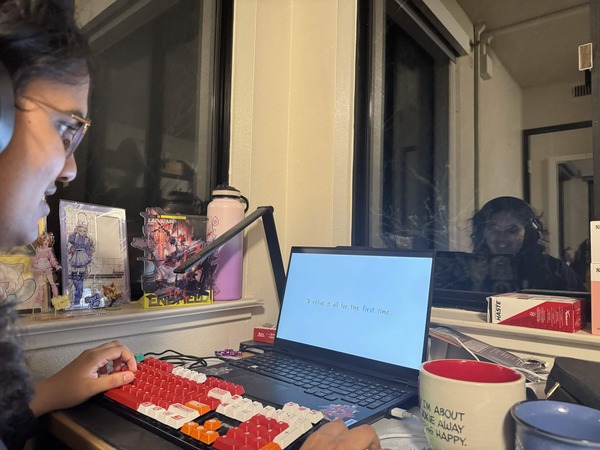
So I decided to tell a lie.
I told people that this was a game I found while thrifting. I found a laptop that didn’t have the files deleted. There were some games on the laptop. I restored one of them for you to play. That was basically the whole gist of it. Except, right before people would play I would ask them one question.
“I’ve been working on restoring this for months, but I still don’t really understand what it means. Do you think you could help me figure it out?”
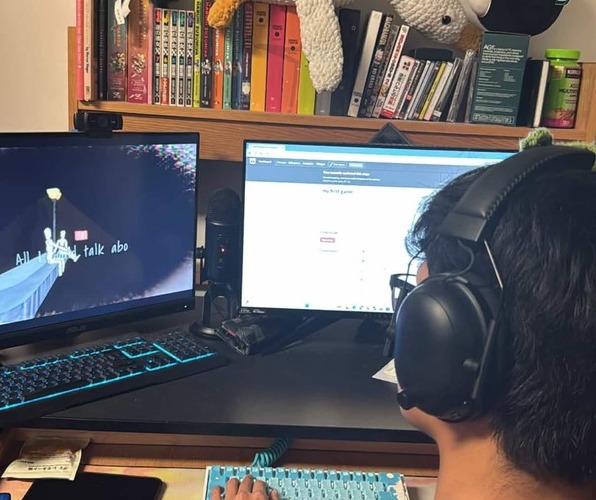
This got an amazing reaction out of people. When people sat down to play the game, they became a lot more emotionally invested within the game. Rather than worrying about the lie itself, they were able to step into the real world fantasy that I created for them.
I was able to get a lot of really raw and emotional statements from people too. About their own experiences and how they related to them in the games. About how they see a little bit of themselves in the unknown author.
It’s a really cool experiment. I can’t wait to release this thing into the wild.